

Salary vs Dividends UK 2026/27: Director Tax Guide for the New Tax Year
Salary vs dividends UK 2026/27 explained for directors, with new dividend tax rates from 6 April 2026, worked examples, and practical planning tips.
Salary vs Dividends UK 2026/27: Director Tax Guide for the New Tax Year
From 6 April 2026, the dividend tax rates for basic-rate and higher-rate taxpayers rise by 2 percentage points. That means the usual salary vs dividends UK 2026/27 decision needs a fresh look before the new tax year starts, especially if you run a small limited company and usually take a low salary with the rest as dividends.
The old rule of thumb still points in roughly the same direction for many owner-directors, but it is less generous than it was. Employer National Insurance is higher than before, the dividend allowance is still only £500, and single-director companies often cannot claim Employment Allowance. Small changes in your mix can now move real money.
Quick summary: for many one-director companies, a modest salary plus dividends can still work well in 2026/27, but the gap has narrowed. You need to check National Insurance, Corporation Tax, dividend tax, mortgage needs, and whether your company is eligible for Employment Allowance before settling on a pay plan.
If you want us to run the numbers against your own profit level, we can help through our company accounts service, bookkeeping service, payroll services, and contact page.
Why the salary vs dividends question matters more in 2026/27
Plenty of directors have built their pay routine around habits that were set a few tax years ago. A low salary, annual dividend paperwork, and job done. The trouble is that 2026/27 starts with a real tax change.
Budget 2025 confirmed that from 6 April 2026 the dividend ordinary rate rises to 10.75% and the upper rate rises to 35.75%. The additional rate stays at 39.35%. At the same time, the dividend allowance remains at £500, so there is not much tax-free room left for dividends outside an ISA.
On the payroll side, the 2026/27 employer National Insurance rate is 15%, and the secondary threshold is £5,000 a year. If your company has just one director and that director is the only employee liable for secondary Class 1 NIC, it usually cannot claim Employment Allowance. That detail matters a lot in single-director planning, because employer NIC becomes a real cost of taking a larger salary.
This guide is written mainly for directors living in England, Wales, or Northern Ireland. Scottish taxpayers use the same UK dividend tax rates, but their non-savings income bands differ, so the exact salary-plus-dividends split needs separate modelling.
Official sources:
- Income Tax changes to tax rates for property, savings and dividend income
- Rates and thresholds for employers 2026 to 2027
- Corporation Tax rates
- Single-director companies and Employment Allowance guidance
Salary vs dividends UK 2026/27: the core tax differences
Before looking at worked examples, it helps to keep the mechanics straight.
| Item | Salary | Dividends |
|---|---|---|
| Paid from | Company revenue before Corporation Tax | Post-tax profits after Corporation Tax |
| Corporation Tax effect | Usually deductible for the company | Not deductible for the company |
| Income Tax | Yes, through PAYE | Yes, through Self Assessment if above allowance |
| Employee NIC | Usually yes above thresholds | No |
| Employer NIC | Usually yes above thresholds | No |
| Requires payroll | Yes | No |
| Requires distributable profits and paperwork | No dividend paperwork, but payroll records required | Yes, you need sufficient profits plus board minutes and dividend vouchers |
That table explains why dividends are still attractive. They avoid employee and employer National Insurance. Even after the April 2026 rate rise, that is still useful.
That said, dividends are not magic. They can only be paid from profits available for distribution, and they do nothing to reduce the company’s Corporation Tax bill. Salary does reduce company profits for Corporation Tax, so you need to view the whole picture, not just the personal tax line.
The key figures to use for 2026/27 planning
Here are the headline numbers most directors will need when comparing salary and dividends for the tax year starting 6 April 2026.
| Item | 2026/27 figure | Notes |
|---|---|---|
| Personal Allowance | £12,570 | Usually available unless income exceeds £100,000 |
| Basic rate band | £37,700 | For England, Wales, and Northern Ireland non-savings income |
| Higher rate threshold | £50,270 | Personal Allowance plus basic rate band |
| Dividend allowance | £500 | Still taxable income, but taxed at 0% rate on the first £500 |
| Dividend ordinary rate | 10.75% | Up from 8.75% from 6 April 2026 |
| Dividend upper rate | 35.75% | Up from 33.75% from 6 April 2026 |
| Dividend additional rate | 39.35% | Unchanged |
| Employer NIC rate | 15% | For most directors above the secondary threshold |
| Secondary threshold | £5,000 per year | Employer NIC generally starts above this |
| Employee primary threshold | £12,570 per year | Employee NIC main rate starts above this |
| Employee NIC main rate | 8% | On earnings between the primary threshold and upper earnings limit |
| Corporation Tax small profits rate | 19% | For profits of £50,000 or less, subject to associated companies rules |
| Corporation Tax main rate | 25% | For profits above £250,000 |
Worth saying clearly, the Corporation Tax rate in the middle is not always a neat 19% or 25%. Many companies fall into marginal relief territory between £50,000 and £250,000 of taxable profits. If that is you, the salary calculation can change slightly because every extra £1 of salary also changes the Corporation Tax rate effect.
Worked example 1: what the April 2026 dividend tax rise changes
Assume a director takes:
- salary of £12,570
- dividends of £40,000
- no other personal income
- is resident in England
Let us compare the personal dividend tax before and after the April 2026 change.
Under 2025/26 dividend rates
- first £500 at the dividend allowance rate: £0
- next £37,700 at 8.75%: £3,298.75
- remaining £1,800 at 33.75%: £607.50
Total dividend tax: £3,906.25
Under 2026/27 dividend rates
- first £500 at the dividend allowance rate: £0
- next £37,700 at 10.75%: £4,052.75
- remaining £1,800 at 35.75%: £643.50
Total dividend tax: £4,696.25
Extra personal tax from the rate change
£4,696.25 - £3,906.25 = £790
That is the practical takeaway. A director taking £40,000 of dividends on top of a £12,570 salary would pay about £790 more personal tax in 2026/27 than in 2025/26, assuming the same facts.
It does not make dividends a bad route. It just means the old savings are thinner.
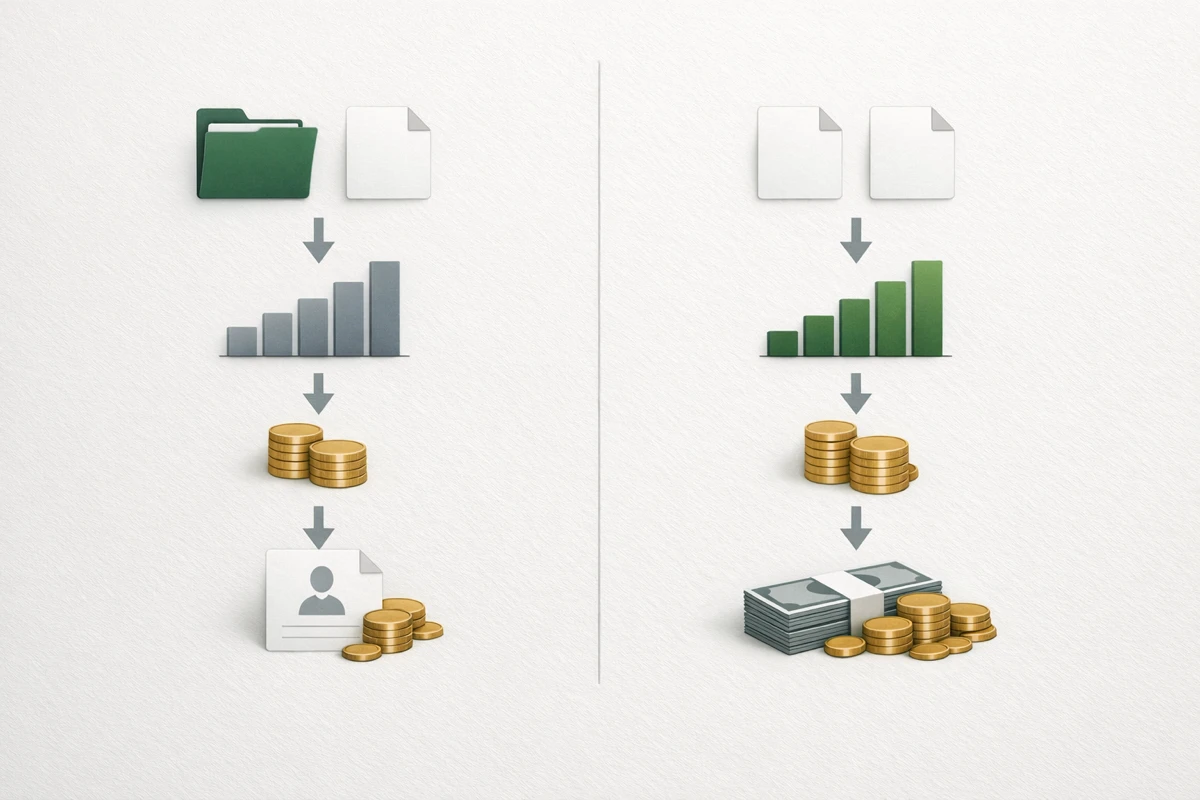
Worked example 2: low salary plus dividends for a single-director company
Now let us test the structure many owner-managed companies actually use.
Assume:
- company profit before director pay is £60,000
- one director-shareholder
- no other employees above the secondary threshold
- no Employment Allowance available
- salary set at £12,570
- remaining post-tax funds paid as dividends
- England tax bands
Step 1: company position after salary
Salary of £12,570 reduces company profit from £60,000 to £47,430.
Employer NIC is due on salary above the £5,000 secondary threshold:
- NIC-able salary: £12,570 - £5,000 = £7,570
- employer NIC at 15%: £1,135.50
Revised taxable profit:
- £47,430 - £1,135.50 = £46,294.50
At a 19% Corporation Tax rate, estimated Corporation Tax is:
- £46,294.50 x 19% = £8,795.96
Estimated profit left for dividends:
- £46,294.50 - £8,795.96 = £37,498.54
Step 2: personal tax position
Salary of £12,570 uses the Personal Allowance but should not create employee Income Tax or employee NIC in this simple example.
Dividend tax on £37,498.54:
- first £500 at 0%: £0
- remaining £36,998.54 at 10.75%: about £3,977.34
Step 3: cash extracted after personal dividend tax
- salary received: £12,570
- dividends received: £37,498.54
- less dividend tax: about £3,977.34
Estimated net personal cash:
- £46,091.20
This is not a personalised recommendation. It is a planning example. The point is that the structure still works, but part of the benefit has shifted from “very obvious” to “still useful, but worth checking properly”.
Worked example 3: what happens if you push salary higher for mortgage or pension reasons
Some directors need a bigger PAYE salary for affordability checks, maternity pay planning, or just personal preference. That is completely fair. Tax efficiency is not the only goal.
Assume the same company starts with £60,000 profit before director pay, but salary is raised to £20,000 instead of £12,570.
Company side
Employer NIC:
- NIC-able salary: £20,000 - £5,000 = £15,000
- employer NIC at 15%: £2,250
Taxable company profit:
- £60,000 - £20,000 - £2,250 = £37,750
Corporation Tax at 19%:
- £37,750 x 19% = £7,172.50
Profit left for dividends:
- £37,750 - £7,172.50 = £30,577.50
Personal side
Salary tax:
- salary above Personal Allowance: £20,000 - £12,570 = £7,430
- Income Tax at 20%: £1,486
Employee NIC:
- NIC-able salary: £20,000 - £12,570 = £7,430
- employee NIC at 8%: £594.40
Dividend tax:
- first £500 at 0%: £0
- remaining £30,077.50 at 10.75%: about £3,233.33
Net personal cash
- salary after Income Tax and employee NIC: £17,919.60
- dividends after dividend tax: about £27,344.17
Estimated net personal cash:
- £45,263.77
Compared with the lower-salary example, net personal cash drops by roughly £827.
That is not a disaster. In some cases it is money well spent if it helps you secure a mortgage, build up qualifying earnings, or keep personal cash flow simpler. The key point is that higher salary now carries more visible employer NIC drag than many directors expect.
So what is the best salary for directors in 2026/27?
There is no single number that suits everyone. Anyone claiming there is, without asking about the company and the household, is skipping the hard part.
For many one-director companies, the most common planning route is still:
- keep salary around a modest threshold
- take additional drawings as dividends if the company has distributable profits
- review the split once profit, wider income, and personal goals are clear
Even so, the “best” number depends on factors like these:
1. Are you a single-director company?
If yes, Employment Allowance may not be available. That can make higher salaries more expensive than they first appear.
2. Do you have other income?
If you already have a job, rental income, pension income, or large savings income, your dividend tax bands may already be partly used up. A strategy that works for one director can be poor for another.
This is a common pain point in community discussions too. Directors with another job often assume they still have a clean personal allowance and basic rate band sitting there. Quite often, they do not.
3. Do you need provable PAYE income?
Some lenders, visa applications, and maternity calculations give more weight to salary than to dividends. Not always, but often enough to matter.
4. Is the company actually profitable enough for dividends?
Dividends cannot be backfilled out of hope. You need profits available for distribution at the point you declare them, with proper paperwork.
5. Are you near the higher-rate band?
The jump from 10.75% to 35.75% on dividends is steep. Crossing into higher-rate territory is usually where the planning conversation gets more serious.
When salary can be the better choice, even if tax is slightly higher
Tax is one part of the answer, not the whole answer.
You may reasonably choose a bigger salary if:
- you need a stronger payslip history
- you prefer monthly predictability
- you want larger deductible company costs before Corporation Tax
- you are planning pension contributions linked to salary in a particular setup
- you want to reduce reliance on year-end dividend paperwork
There is also the admin angle. Some directors are very good at documenting interim dividends properly. Some are not. A cleaner payroll route can be worth the extra tax if it removes sloppy record keeping and reduces the chance of an HMRC headache later.
If your bookkeeping is late or your director loan account is messy, sort that before changing your pay strategy. Our bookkeeping service and company accounts service are often the right starting point for that.
Common mistakes directors make with salary and dividends
Assuming dividends are always cheaper
They often are, but not always by as much as expected once the 2026/27 rates, Corporation Tax, and your wider income are included.
Forgetting employer NIC
People remember employee deductions because they see them on the payslip. Employer NIC is easier to ignore because it sits inside the company cost base. It is still real cash.
Claiming Employment Allowance when the company is not eligible
This is a frequent error in one-director companies. If the director is the only employee liable for secondary NIC, Employment Allowance usually is not available.
Paying dividends without proper paperwork
If there are no board minutes, no dividend vouchers, and no evidence of distributable profits, the bookkeeping gets ugly quickly.
Using old 2025/26 numbers after 6 April 2026
This year that is more dangerous than usual because the dividend tax rates have actually changed. Reusing last year’s spreadsheet without checking the rates is an easy way to under-budget for personal tax.
Ignoring the household view
Sometimes the best answer is not about you alone. If shares are held by a spouse or civil partner in a commercially real and legally correct way, household tax planning may look different. This area needs care, and we would always suggest specific advice before making changes to ownership.
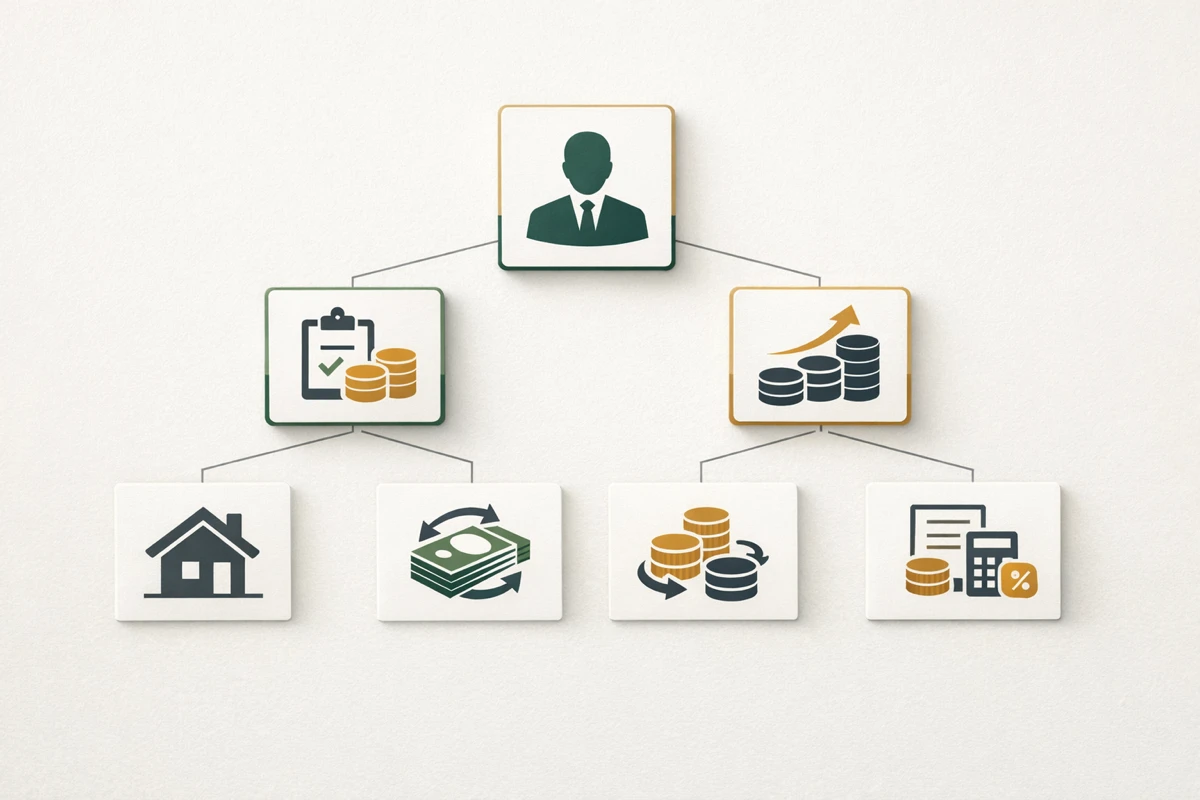
A practical salary vs dividends review process for April 2026
If you want a sensible answer rather than a recycled forum comment, run through this checklist:
- Confirm your expected company profit before director pay.
- Check whether the company can legally pay dividends from distributable profits.
- Review whether Employment Allowance is available.
- List any other personal income for 2026/27.
- Decide whether mortgage, pension, or cash-flow goals push you towards a bigger salary.
- Model at least two options, not one.
- Document payroll settings, dividend paperwork, and your tax reserve.
You should also keep your wider compliance calendar in view. These related guides may help:
- Year End Tax Planning for Limited Company Directors: 5 April 2026 Checklist
- Employer National Insurance and Payroll Changes UK 2026/27: Small Business Checklist
- Making Tax Digital Income Tax 2026 Checklist UK
If you want us to model a salary and dividends plan for the new tax year, get in touch. We can run the figures, check the paperwork side, and make sure the plan works in real life rather than just on paper.
FAQ: Salary vs dividends UK 2026/27
Is salary or dividends better for directors in 2026/27?
For many limited company directors, a modest salary plus dividends is still tax-efficient in 2026/27, but the gap is smaller because dividend tax rates rise from 6 April 2026.
What are the dividend tax rates from 6 April 2026?
The rates are 10.75% for the ordinary rate, 35.75% for the upper rate, and 39.35% for the additional rate.
Can a single-director company claim Employment Allowance?
Usually not if the director is the only employee liable for secondary Class 1 National Insurance. That rule catches many one-director companies.
Should I pay myself a bigger salary for a mortgage application?
Sometimes that makes sense, even if the tax cost is a bit higher. Lenders often look closely at provable PAYE income, though the exact treatment varies.
Do dividends reduce Corporation Tax?
No. Dividends are paid from profits after Corporation Tax. Salary usually reduces taxable company profits, while dividends do not.
Is this the same for Scottish directors?
Not exactly. UK dividend rates are the same, but Scottish non-savings income bands differ, so the ideal split can change.
Your next step before 6 April 2026
Run two or three pay scenarios now, using the new dividend tax rates, and check the result against your real goals rather than habit. If your current approach was built around older rates, this is the week to update it.

About Golden Tree Consulting
AAT Licensed | ACCA Affiliated
Golden Tree Accounting & Business Consulting provides expert tax, bookkeeping, and advisory services to sole traders and SMEs across Croydon, London, Surrey, and Kent. With multilingual support and decades of combined experience, we help businesses stay compliant and grow.
More Articles You Might Like
Continue exploring our financial insights

Year End Tax Planning for Limited Company Directors: 5 April 2026 Checklist
Year end tax planning for limited company directors before 5 April 2026. Use this practical UK checklist to cut surprises and plan tax efficiently.

Employer National Insurance and Payroll Changes UK 2026/27: Small Business Checklist
Employer National Insurance and payroll changes UK 2026/27 explained with rates, deadlines, and worked cost examples for small employers.

Online Accounts and Company Tax Return Service Closing: 31 March 2026 Checklist
The online accounts and Company Tax Return service closing on 31 March 2026 means action now. Use this UK checklist to switch software and avoid penalties.