Universal Credit UK: Who’s Eligible and How Much You Can Get
Learn how Universal Credit works in the UK. Understand eligibility criteria, how payments are calculated, and how your income affects your benefits.
 Golden Tree Accounting Updated 6 March 2026 2 min read
Understanding Universal Credit: Eligibility, Benefits, and Payments
Universal Credit is a payment from the government to help with your living costs. It is available to individuals who are responsible for at least one child or young person living with them or those who work but earn low wages.
Understanding how Universal Credit works can help you determine if you qualify and how much you may receive.
Eligibility Criteria
You may qualify for Universal Credit if you meet certain criteria:
- Child Universal Credit For those responsible for at least one child or young person.
- Working Universal Credit For individuals who work but earn low wages.
- Disability If you or any child living with you has a disability, this can affect the amount you receive.
- Age Factor If you’re aged 50 plus and transitioning off benefits, this may impact your eligibility.
Factors Affecting Payment Amount
The amount of Universal Credit you receive depends on several factors:
- Number of Children More children living with you can increase your payments.
- Employment Status The number of hours you work and your earnings affect the amount you receive.
- Childcare Costs If you pay for childcare, this is taken into consideration.
- Disability Payments may be higher if you or your dependents have a disability.
Income and Universal Credit
Your income plays a crucial role in determining your Universal Credit payments. Generally, the lower your income, the higher your Universal Credit payments will be. It’s important to report any changes in your income promptly to ensure you receive the correct amount.
Additional Considerations
Universal Credit aims to provide financial support while encouraging work. Therefore, it adjusts based on your earnings, allowing you to retain some benefits as you increase your income. This gradual reduction in benefits helps smooth the transition into higher earnings without a sudden loss of support.
Conclusion
Universal Credit is designed to support individuals and families with living costs, providing a safety net that adjusts based on your circumstances and income. By understanding the eligibility criteria and how payments are calculated, you can better manage your finances and ensure you receive the support you are entitled to.
Properly reporting changes and understanding your rights under Universal Credit can help you maximize your benefits and maintain financial stability.

About Golden Tree Consulting
ACCA Affiliated | MBA Qualified
Golden Tree Accounting & Business Consulting provides expert tax, bookkeeping, and advisory services to sole traders and SMEs across Croydon, London, Surrey, and Kent. With multilingual support and decades of combined experience, we help businesses stay compliant and grow.
Offices in Croydon and London Bridge.
Related guides

Pension Credit Explained: Guarantee Credit vs Savings Credit (2026/27 Rates)
How Pension Credit works in 2026/27: Guarantee Credit tops weekly income up to £238 (£363.25 for couples), who can still get Savings Credit, the extra amounts, what else it unlocks and how to claim.
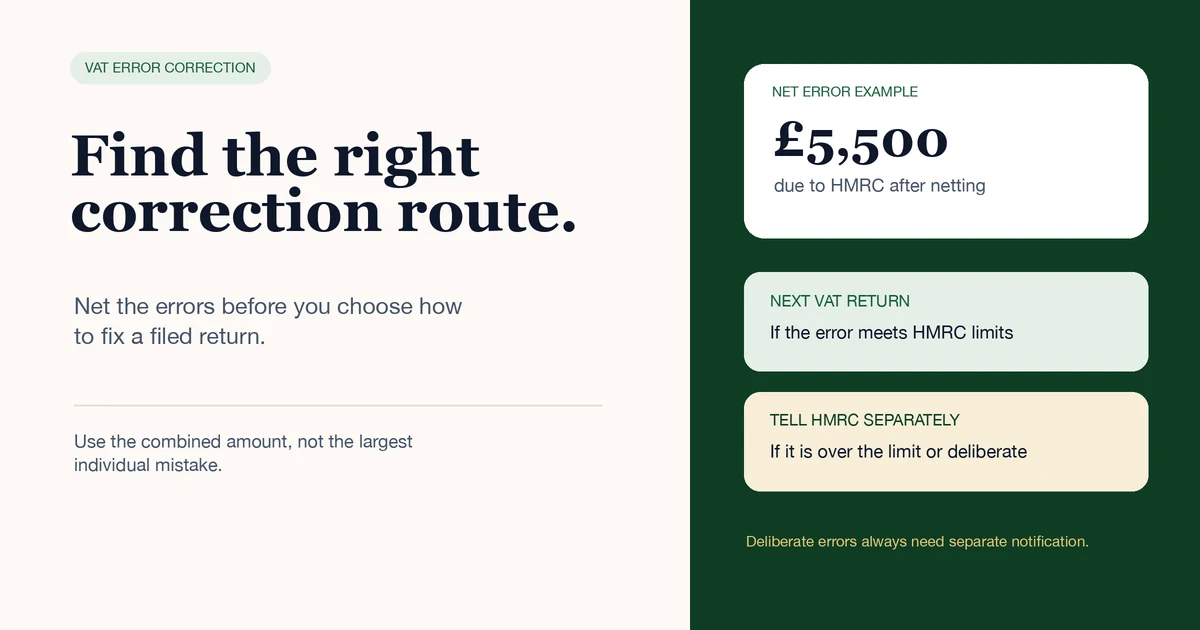
VAT Error Correction UK: How to Fix a Return After Filing
VAT error correction UK guide: learn when to adjust your next return, when to notify HMRC, how to calculate the net error and what records to keep.
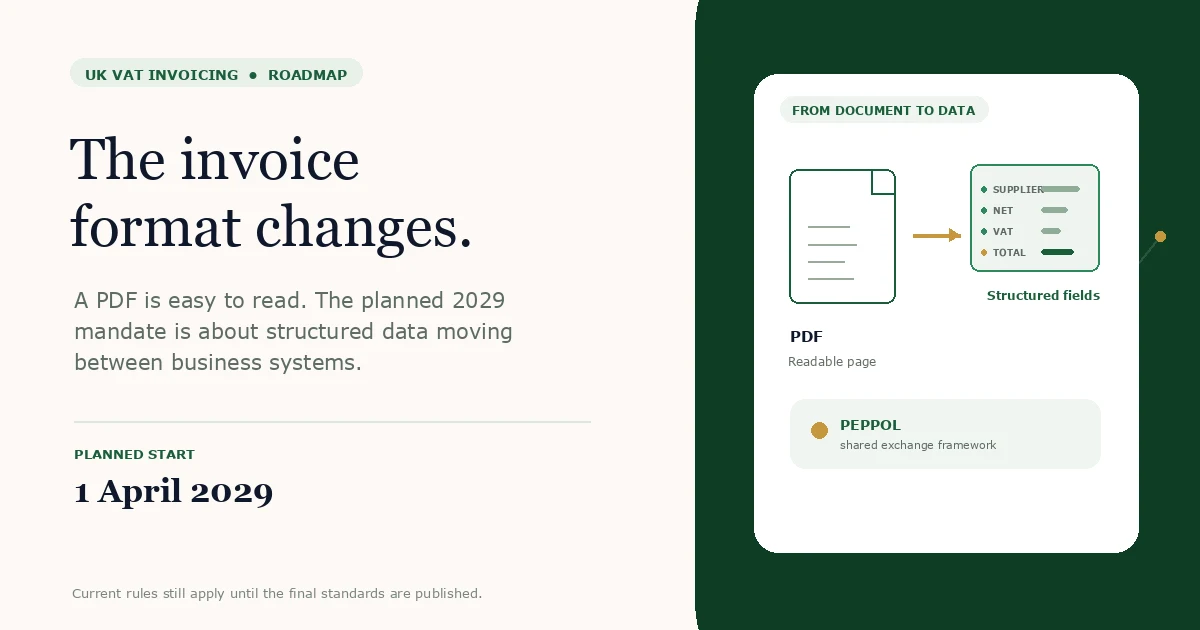
UK E-Invoicing 2029: What Small Businesses Need to Know
UK e-invoicing 2029: the planned VAT invoice mandate explained. Learn what counts, who is affected, what PDFs mean and how small businesses can prepare.